Description
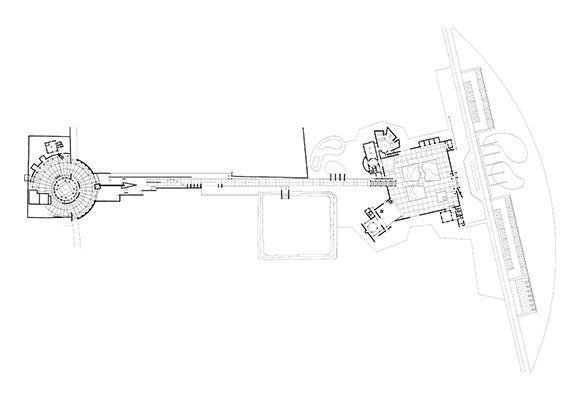
The Bangabandhu Mausoleum Complex was developed as a continuation and extension of the 1995 First Prize-winning Memorial Museum project.
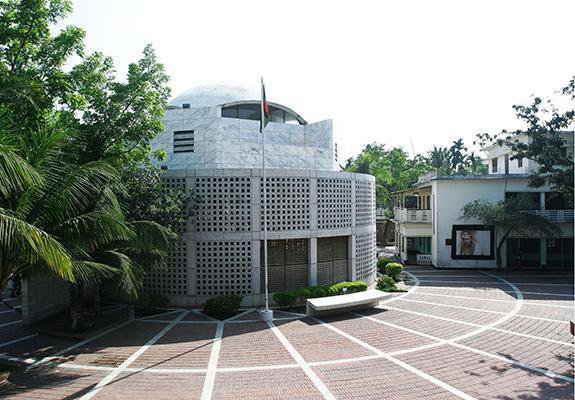
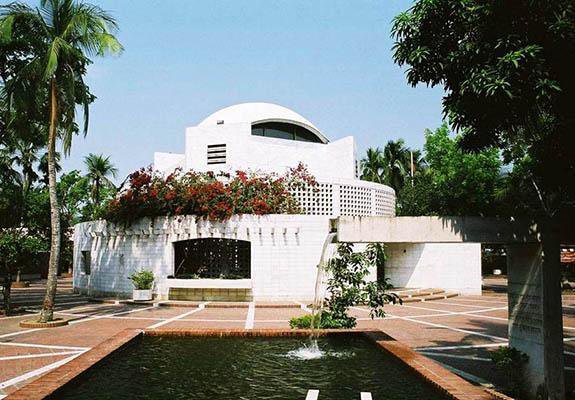
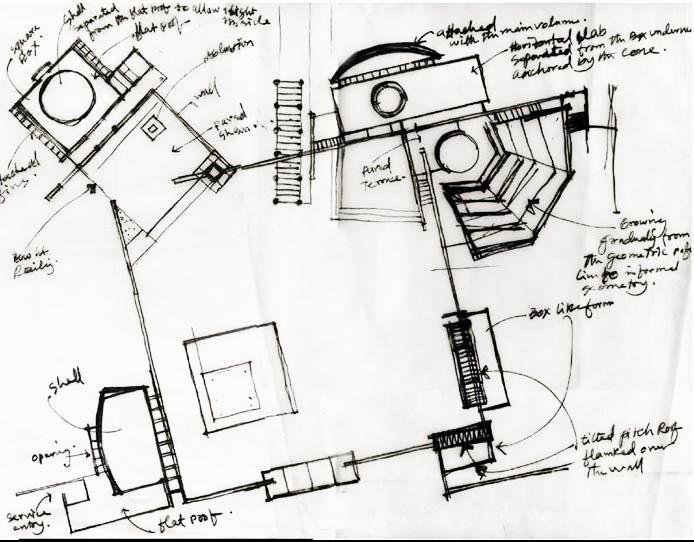
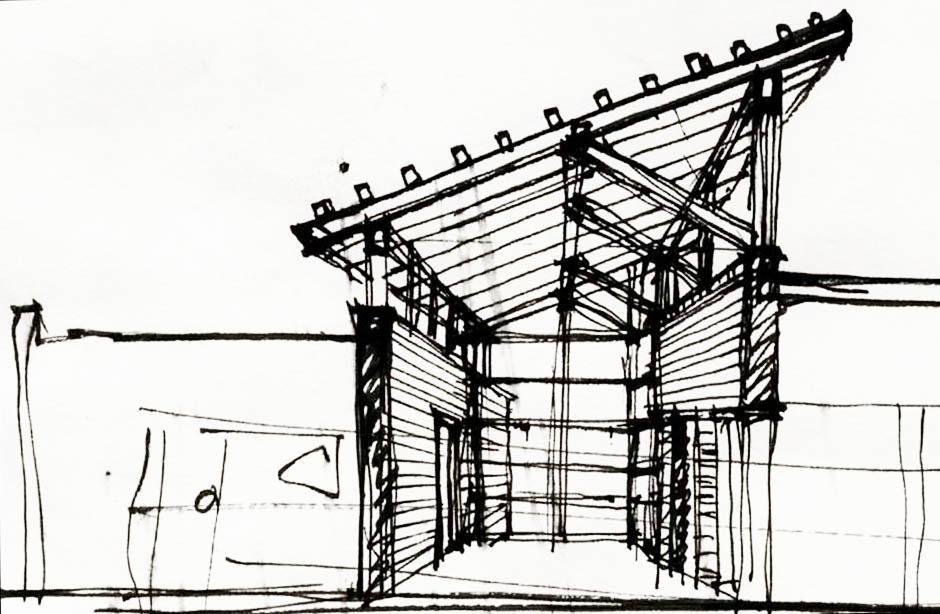
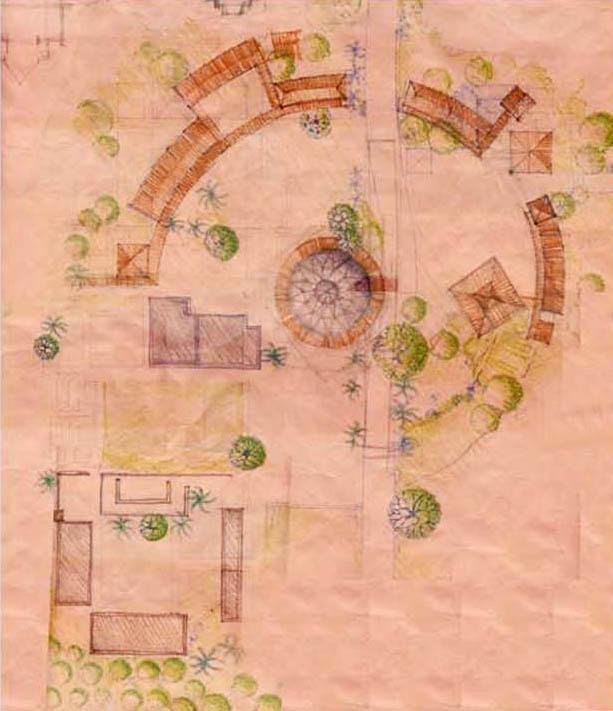
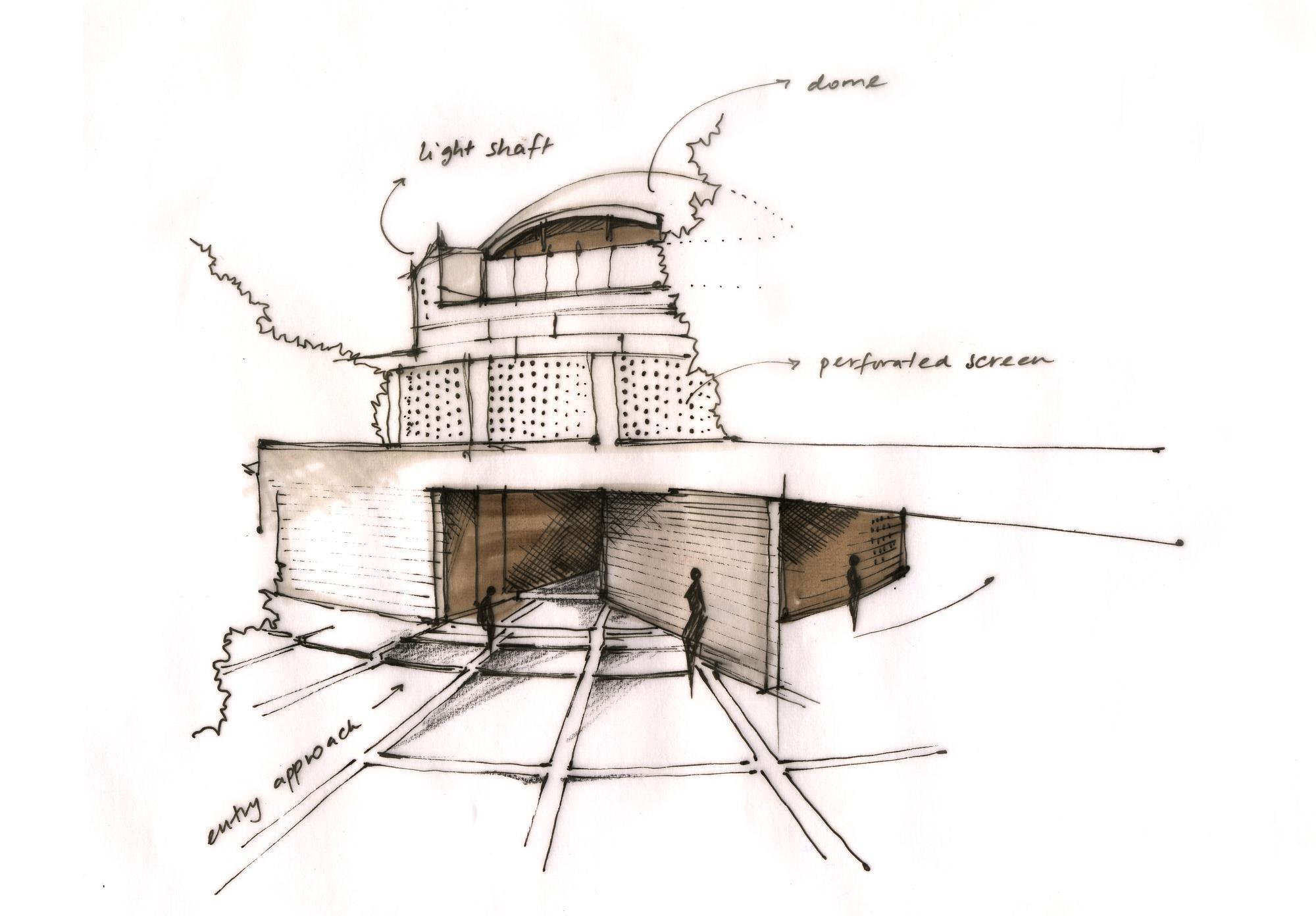
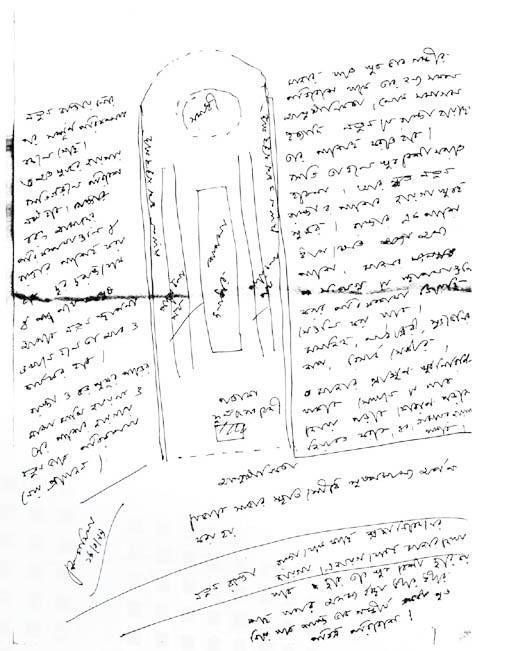
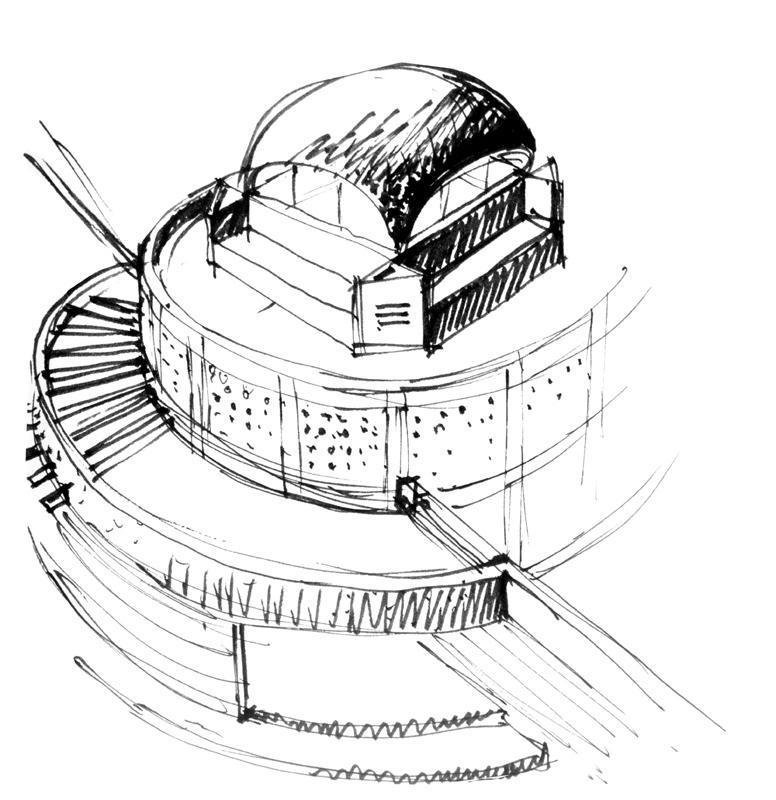
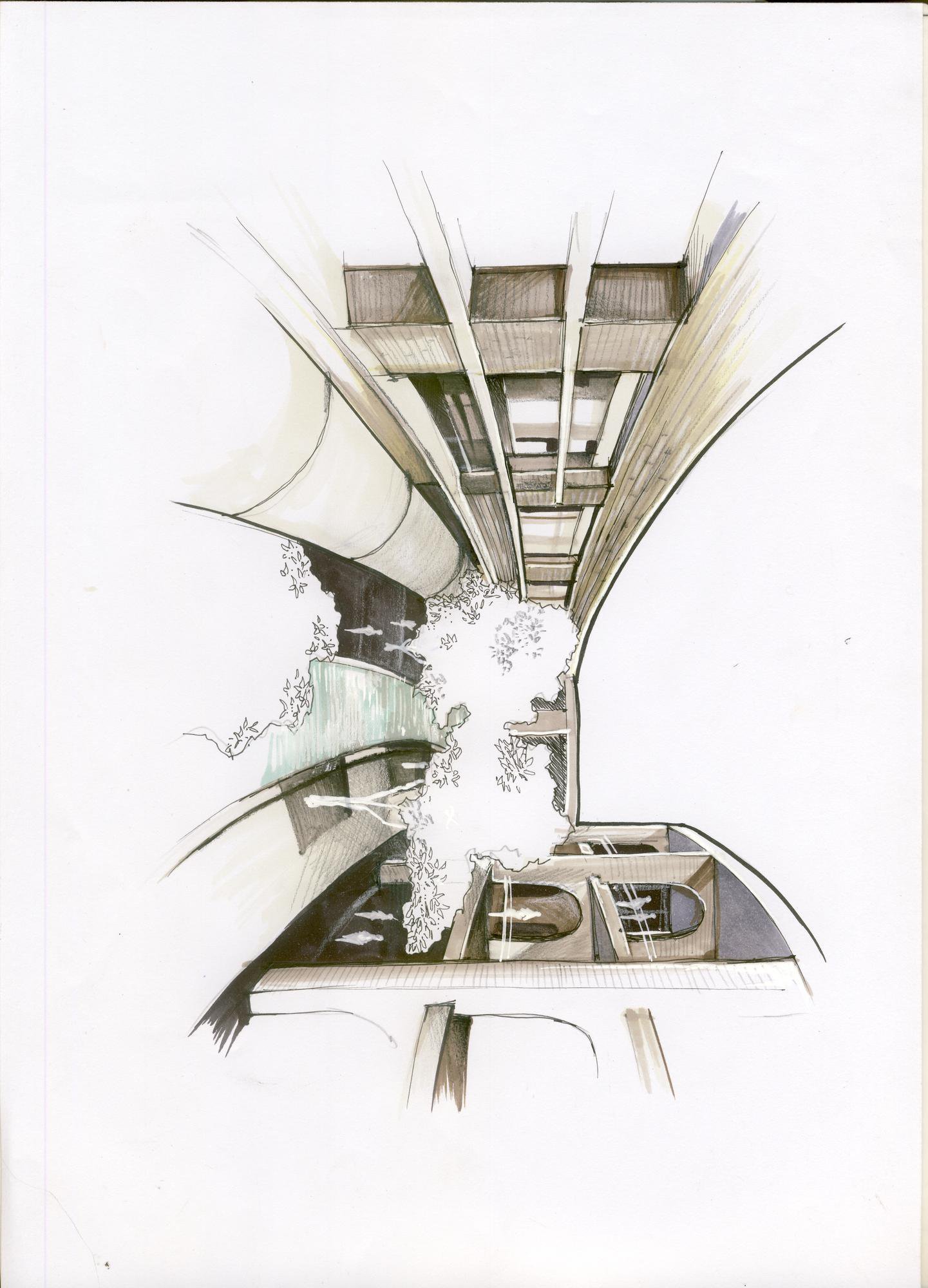
The architectural approach is grounded in a restrained yet powerful composition of geometry, procession, light, material, and landscape. The scheme gradually unfolds from a square-planned entry sequence toward a circular mausoleum, creating a clear spatial journey from arrival to contemplation. This transition from square to circle establishes the primary ordering principle of the project, giving the complex both symbolic depth and architectural clarity.
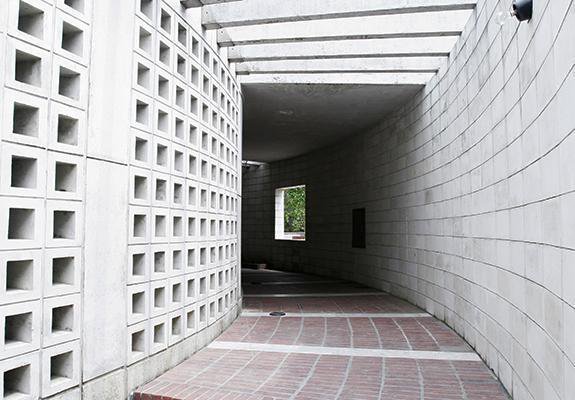
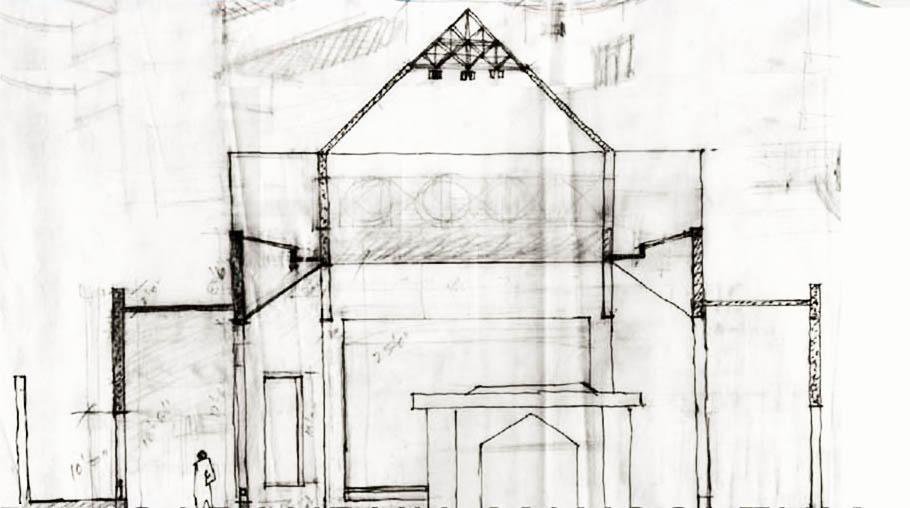
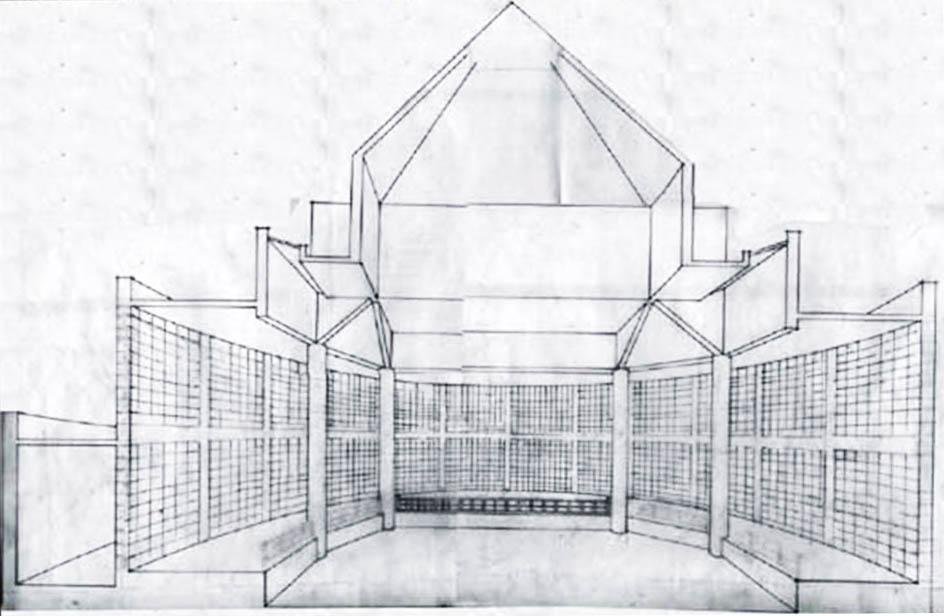
At the heart of the composition, the mausoleum is enclosed within a circular perforated double screen. This layered envelope filters daylight from multiple directions and produces a quiet, diffused interior atmosphere. The vertical chauchala-inspired canopy intensifies this play of light, connecting modernist geometry with a familiar architectural memory rooted in Bengal.
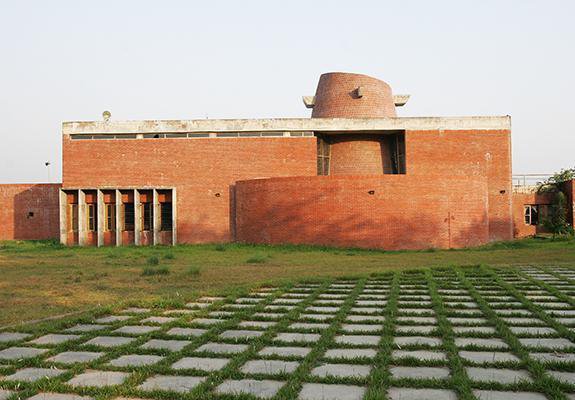
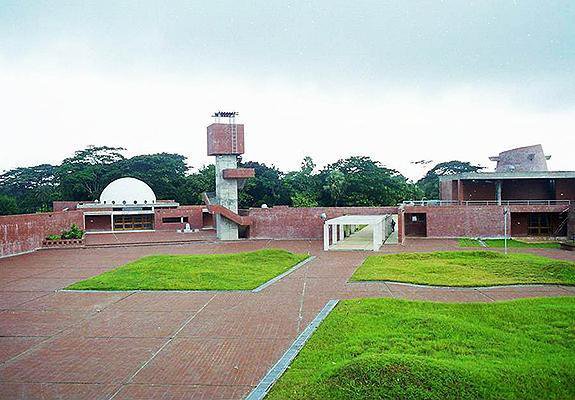
The material palette reinforces the contrast between monumentality and context. White fair-faced concrete and marble define the central mausoleum, while red brick surfaces in the subsidiary structures recall the regional architectural tradition. Water, landscape, shaded pathways, and the surrounding rural setting are integrated without excessive ornamentation, allowing the complex to remain solemn, grounded, and spatially composed.
The project stands as an important example of contemporary memorial architecture in Bangladesh, where modern geometric order, local material expression, filtered light, and landscape are brought together to create a dignified place of remembrance.